
CEO Succession Is No Longer an Event. It’s a Process.
January 5, 2026
For many organizations, CEO succession has historically been treated as a discrete moment in time. A planned retirement. A founder stepping back. A sudden transition driven by performance.
That framing no longer holds.
Across private equity and corporate environments, CEO succession is increasingly unfolding as a multi-year process, shaped by longer hold periods, more complex operating models, and heightened expectations for execution continuity.
The organizations navigating this well are those that stop thinking about succession as an endpoint and start treating it as an ongoing leadership strategy.
Why CEO succession has become more complex
Several forces are converging.
First, time horizons have lengthened. Longer hold periods and extended transformation cycles mean CEOs are expected to lead through multiple phases of growth, integration, and repositioning.
Second, the CEO role itself has expanded. Today’s CEOs must balance strategy, execution, stakeholder management, talent alignment, and culture while operating under constant scrutiny from boards, investors, and employees.
Third, transitions are happening earlier and more deliberately. Boards and sponsors are increasingly proactive, recognizing that waiting for a forced transition often creates unnecessary disruption.
As a result, CEO succession is less about replacing an individual and more about ensuring leadership continuity through change.
Where traditional succession approaches fall short
Many succession plans focus narrowly on timing.
The question becomes: When will the CEO step aside?
A more useful question is: What leadership profile does the business need next, and when does that profile change?
When succession planning is treated as a single event, several risks emerge:
Over-reliance on a single leader.
Organizations become dependent on one individual to carry the business through multiple inflection points, even as role requirements shift.
Compressed transitions.
When change becomes unavoidable, timelines tighten. New CEOs inherit unresolved issues and limited runway.
Misalignment between strategy and leadership.
The next phase of the business may require a different leadership skill set than the one that built the platform.
These gaps are not failures of leadership. They are failures of planning.
What effective CEO succession looks like today
Organizations that manage CEO succession effectively take a broader view.
They treat succession as:
A capability conversation, not just a timing discussion
A board-level priority, not a contingency plan
A continuum, not a handoff
Practically, this means:
Regularly revisiting the leadership profile required for the next phase of growth
Separating respect for the incumbent CEO from clarity about future needs
Creating space for overlap, transition, and knowledge transfer where possible
In private equity environments, this often shows up as thoughtful founder transitions, planned step-downs, or the introduction of new CEOs aligned with integration or scaling mandates. In corporate settings, it appears as staged successions and intentional leadership development.
Why early succession planning creates leverage
Early planning does not signal instability. It creates optionality.
When boards and sponsors engage in succession planning early:
They reduce the risk of reactive decision-making
They preserve momentum through leadership change
They align leadership capability with strategy before pressure peaks
They protect culture during transitions
Just as importantly, early planning allows organizations to choose timing rather than be forced by circumstance.
Signals that succession planning should accelerate
A few indicators consistently suggest it’s time to move succession discussions forward:
The business strategy is shifting materially
Integration or transformation demands are increasing
The CEO role is expanding faster than leadership capacity
Boards are spending more time managing transitions than strategy
Informal conversations about “what’s next” are becoming more frequent
These are not warning signs. They are prompts for thoughtful action.
Looking ahead
CEO succession is becoming less about replacement and more about readiness.
Organizations that approach it as an ongoing process, grounded in strategy and leadership capability, navigate transitions with greater confidence and less disruption. Those that wait for a singular moment often find themselves making high-stakes decisions under unnecessary pressure.
In today’s environment, succession is not a one-time event.
It is a leadership discipline.
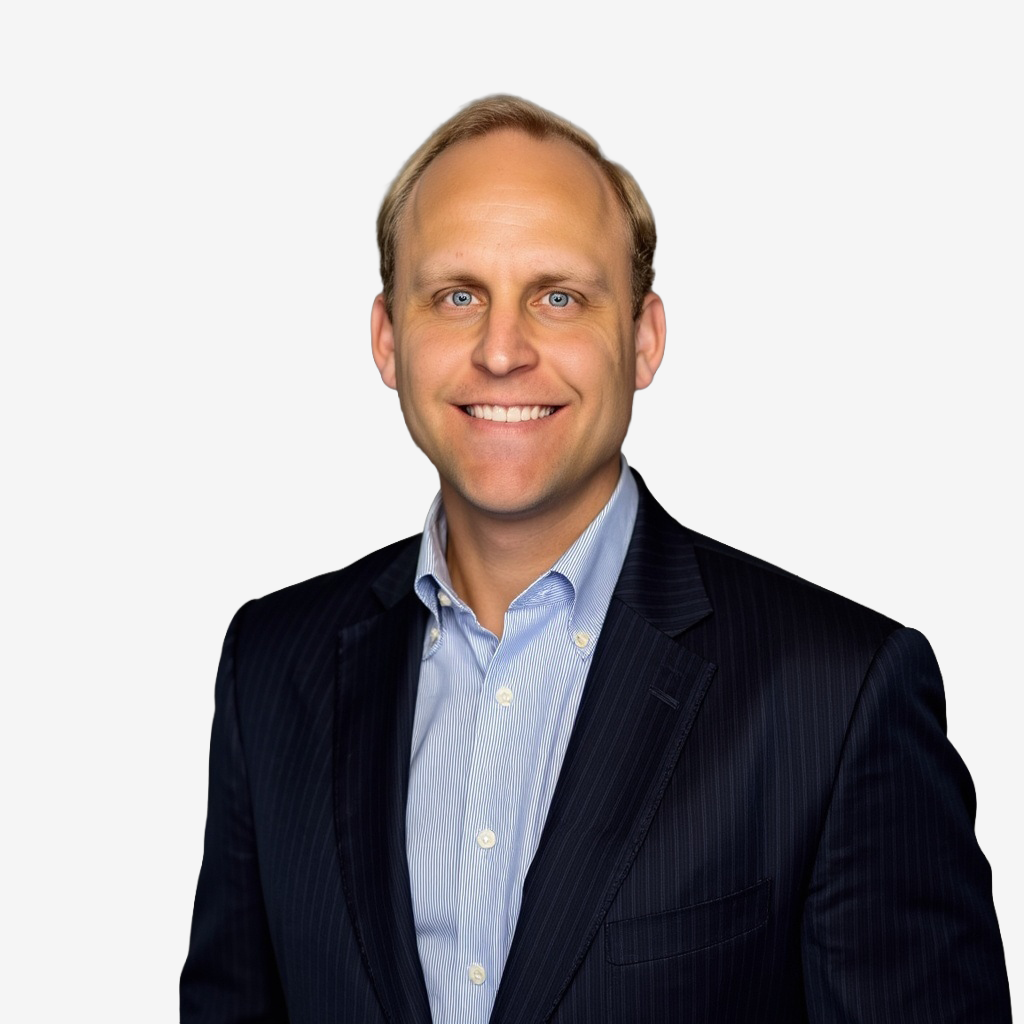
About the Author
Tyler Peitzmeier
Head of Business Development
Tyler Peitzmeier leads business development at Morgan Samuels, driving the firm’s growth strategy across private equity sponsors, portfolio companies, and corporate clients. He partners closely with investors and executives to align leadership decisions with execution priorities and long-term value creation.
With a background spanning executive sales leadership and go-to-market strategy, Tyler brings a practical, operator-informed perspective to how organizations build leadership teams during periods of growth and transition. His work focuses on translating market dynamics into actionable leadership insight for boards and management teams.
This perspective reflects patterns observed across ongoing conversations with private equity firms, portfolio leadership, and corporate executives navigating an evolving market environment.