Operating in the New Normal: What We’re Seeing in Q1
April 10, 2026
What We’re Seeing in Q1
The market hasn’t materially improved. But behavior has changed.
Across private equity and corporate environments, teams are no longer waiting for clarity. They are moving forward within uncertainty, making decisions on capital, strategy, and leadership with less visibility than they would have preferred even six to twelve months ago.
That shift is showing up most clearly in how organizations are thinking about execution and talent.
Teams are operating within uncertainty, not waiting for it to resolve
There was a period where it felt like stability was returning to the market. That has softened. New variables, policy shifts, sector-specific pressure, and continued uncertainty around timing have reintroduced complexity into underwriting and planning decisions.
The difference now is that leaders are not pausing.
Organizations have adjusted to this environment. Instead of waiting for conditions to normalize, they are operating with the assumption that uncertainty is part of the model. That is driving earlier decision-making, particularly around leadership.
Portfolio divergence is driving more targeted leadership decisions
One of the more important shifts we are seeing is increasing divergence within portfolios.
Some assets are performing well and moving forward cleanly. Others are facing pressure, margin compression, slower growth, or more complex operating environments. This is forcing sponsors and boards to move away from uniform approaches and make more targeted decisions at the company level.
That shift is directly impacting hiring.
Instead of filling roles based on a standard profile, teams are defining leadership needs more precisely:
Who can operate in this environment, not just the “ideal” one
Who can handle pressure, not just growth
Who can execute with less structure and more ambiguity
This is where the focus on operating depth and real execution capability is increasing.
Hiring expectations are increasing, even as talent supply remains strong
Candidate quality remains high. In most searches, the top few candidates are strong.
The gap is not supply, it is fit.
Sponsors and hiring teams are placing more emphasis on:
Hands-on leadership versus oversight
Ability to operate across functions
Comfort in less structured, more demanding environments
Evidence of execution, not just narrative
At the same time, expectations are rising in areas that are still evolving. AI is coming up more frequently in conversations, but not yet as a clearly defined capability gap. In most cases, it is being used as an operational tool rather than a strategic differentiator, and many organizations are still working through how it should show up in leadership roles.
Strategy shifts are driving new and different talent needs
With fewer transactions and more focus on existing portfolios, many sponsors are adjusting their approach to value creation.
That is leading to changes in talent requirements.
In several cases, the leadership profile initially hired or planned for is no longer the right fit for the current environment. Teams are reassessing:
Where execution is breaking down
Where operating cadence needs to be rebuilt
Where additional depth or different experience is required
This is creating demand for different types of leaders than we saw even a few months ago.
The takeaway
The market may not feel dramatically different on the surface. But underneath, expectations have shifted.
Organizations are moving forward despite uncertainty. They are making more targeted decisions within portfolios. And they are holding a higher bar for leadership capability tied directly to execution.
That combination is shaping hiring decisions in Q1, and likely for the rest of the year.
About the Author
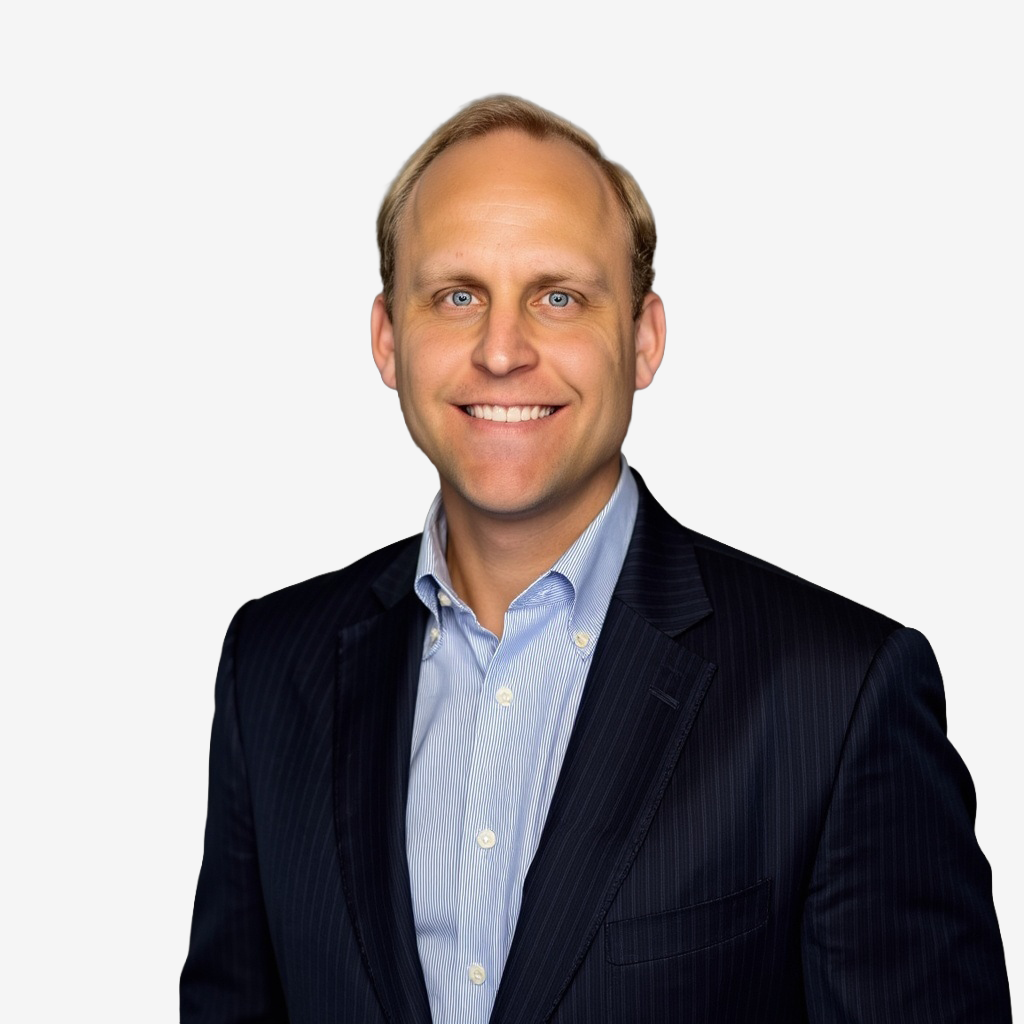
Tyler Peitzmeier
Head of Business Development
Tyler Peitzmeier leads business development at Morgan Samuels, driving the firm’s growth strategy across private equity sponsors, portfolio companies, and corporate clients. He partners closely with investors and executives to align leadership decisions with execution priorities and long-term value creation.
With a background spanning executive sales leadership and go-to-market strategy, Tyler brings a practical, operator-informed perspective to how organizations build leadership teams during periods of growth and transition. His work focuses on translating market dynamics into actionable leadership insight for boards and management teams.
This perspective reflects patterns observed across ongoing conversations with private equity firms, portfolio leadership, and corporate executives navigating an evolving market environment.